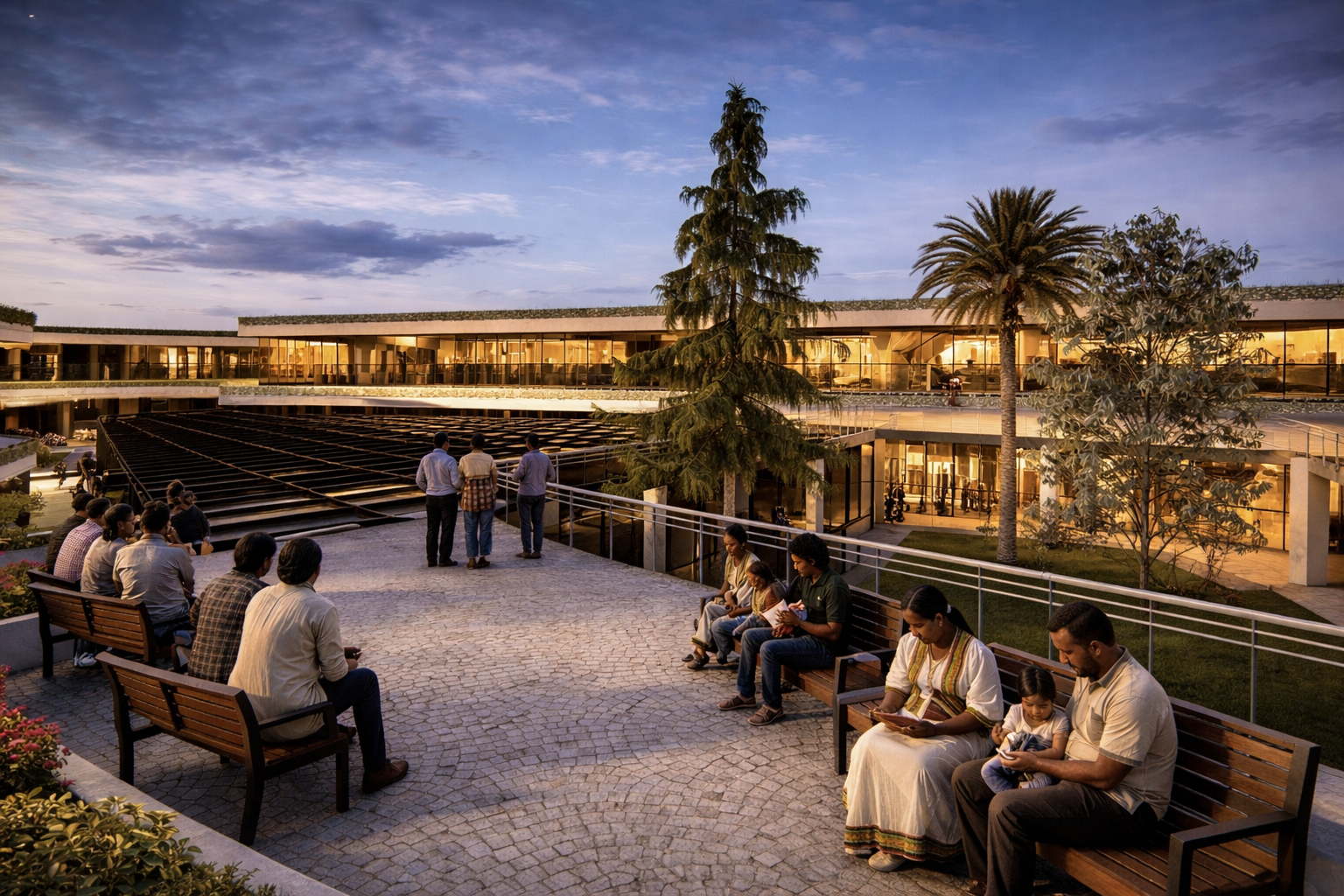
On behalf of the Arat Netib team and OVID Holdings, this proposal envisions a sensitive and forward-looking expansion of Friendship Park, integrating corporate office spaces and recreational facilities to sustainably support the long-term maintenance and vitality of the existing park, originally developed on a 2.3 hectare site.
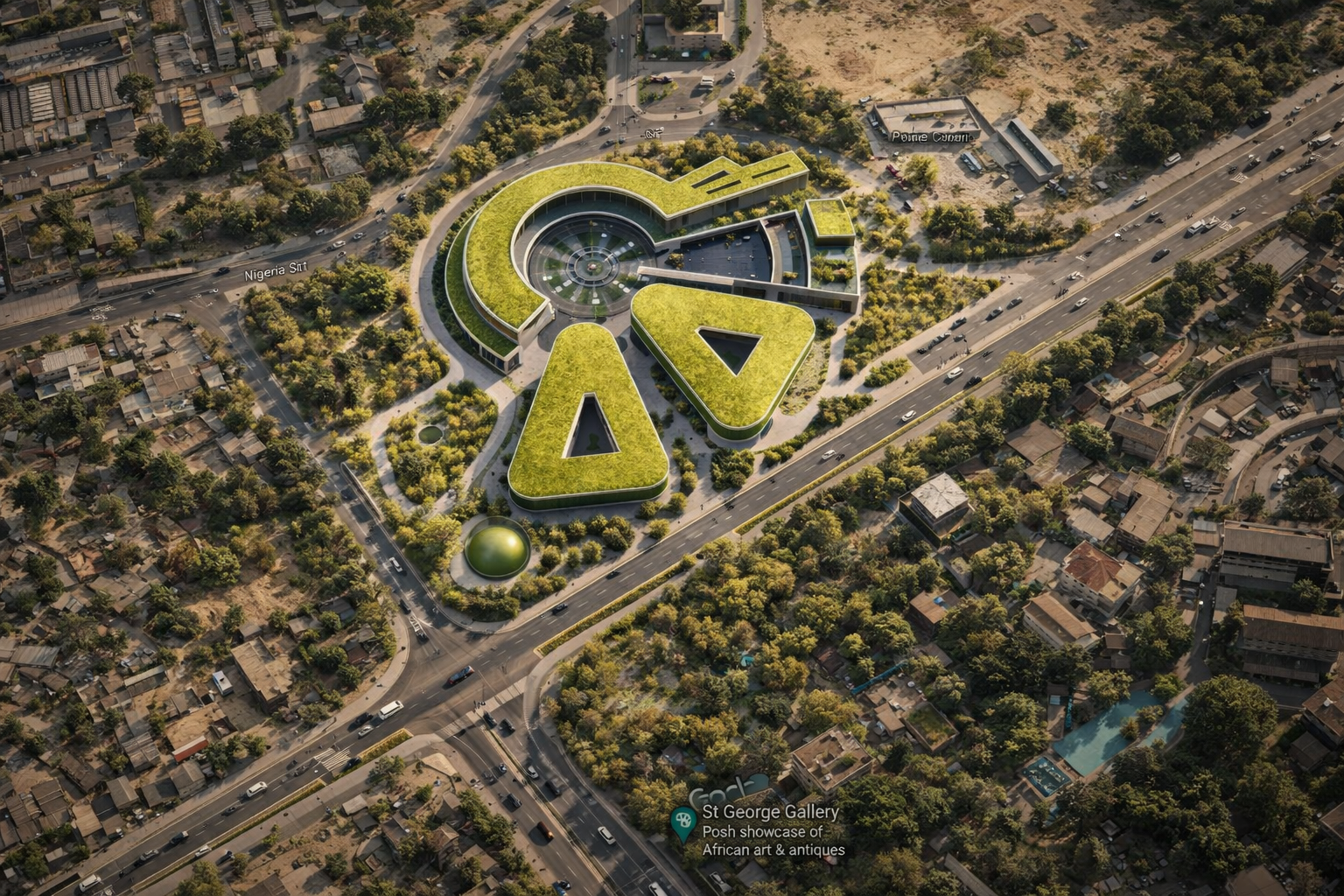
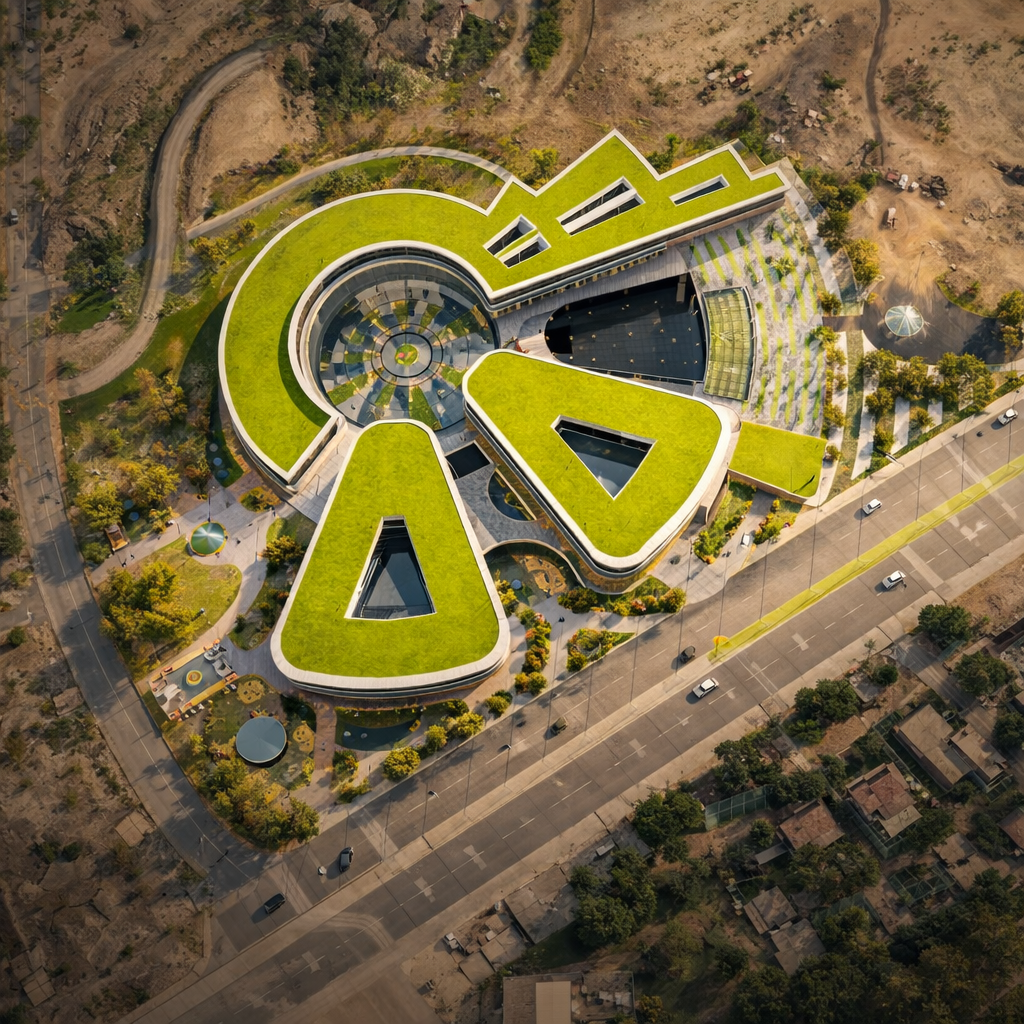
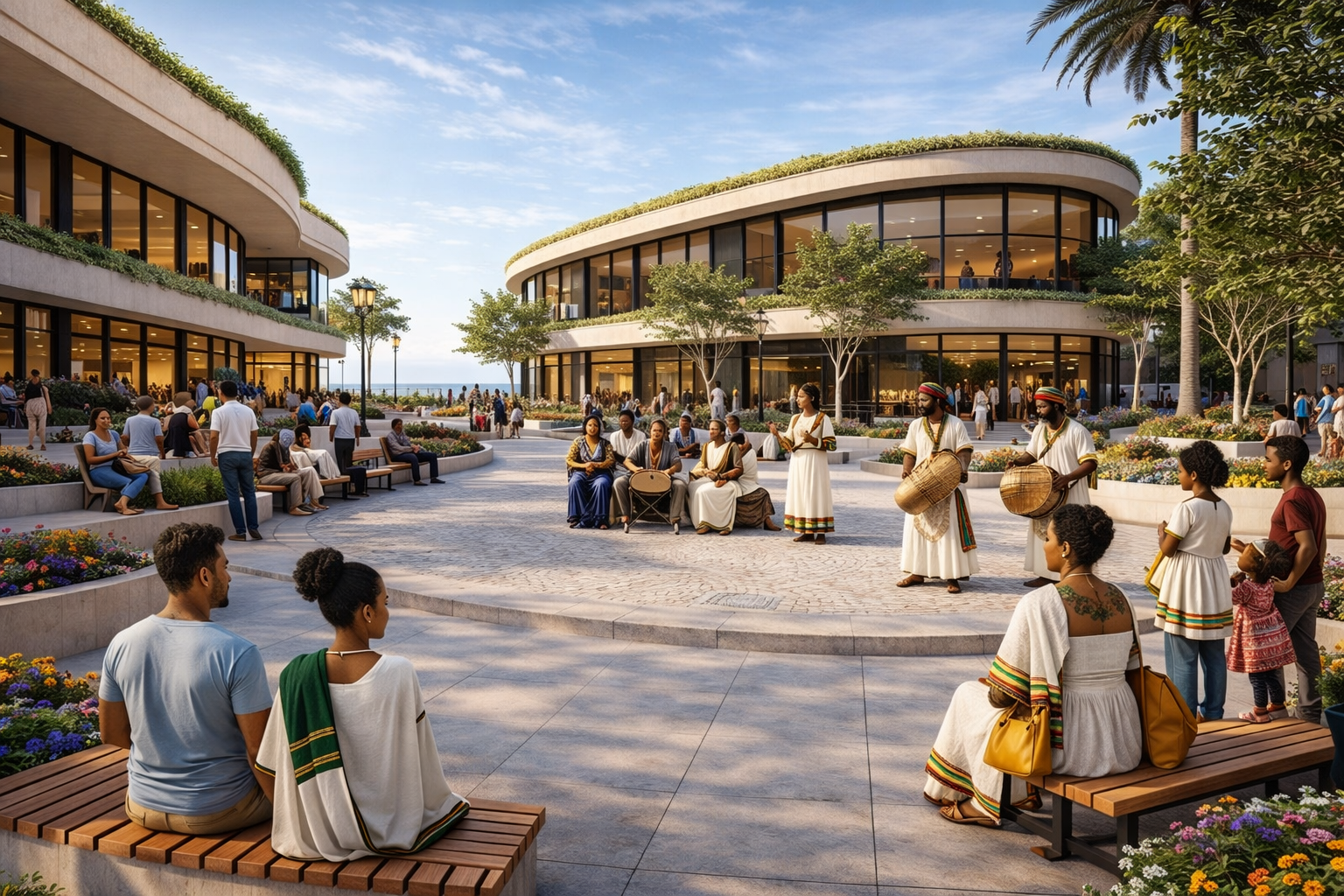
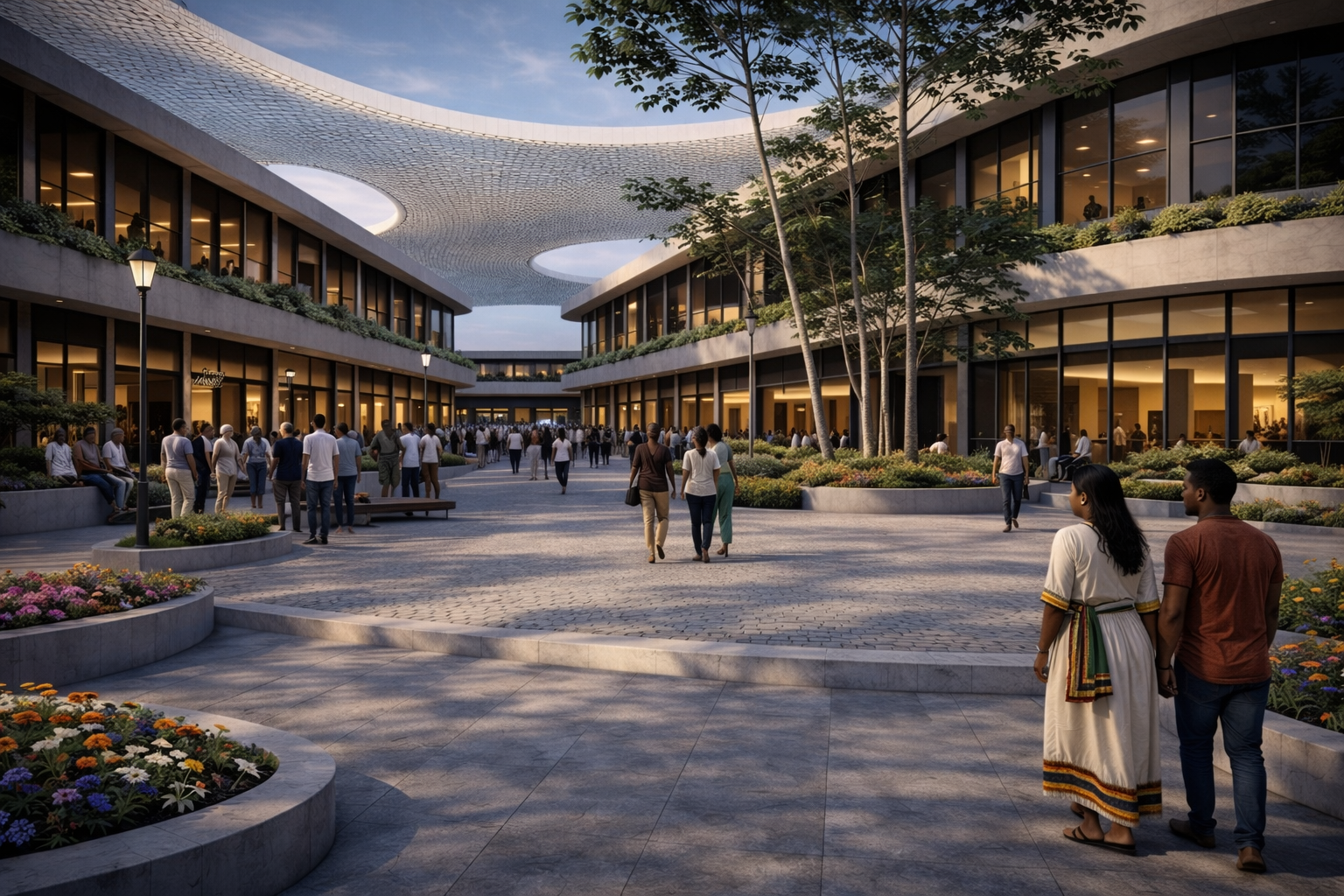
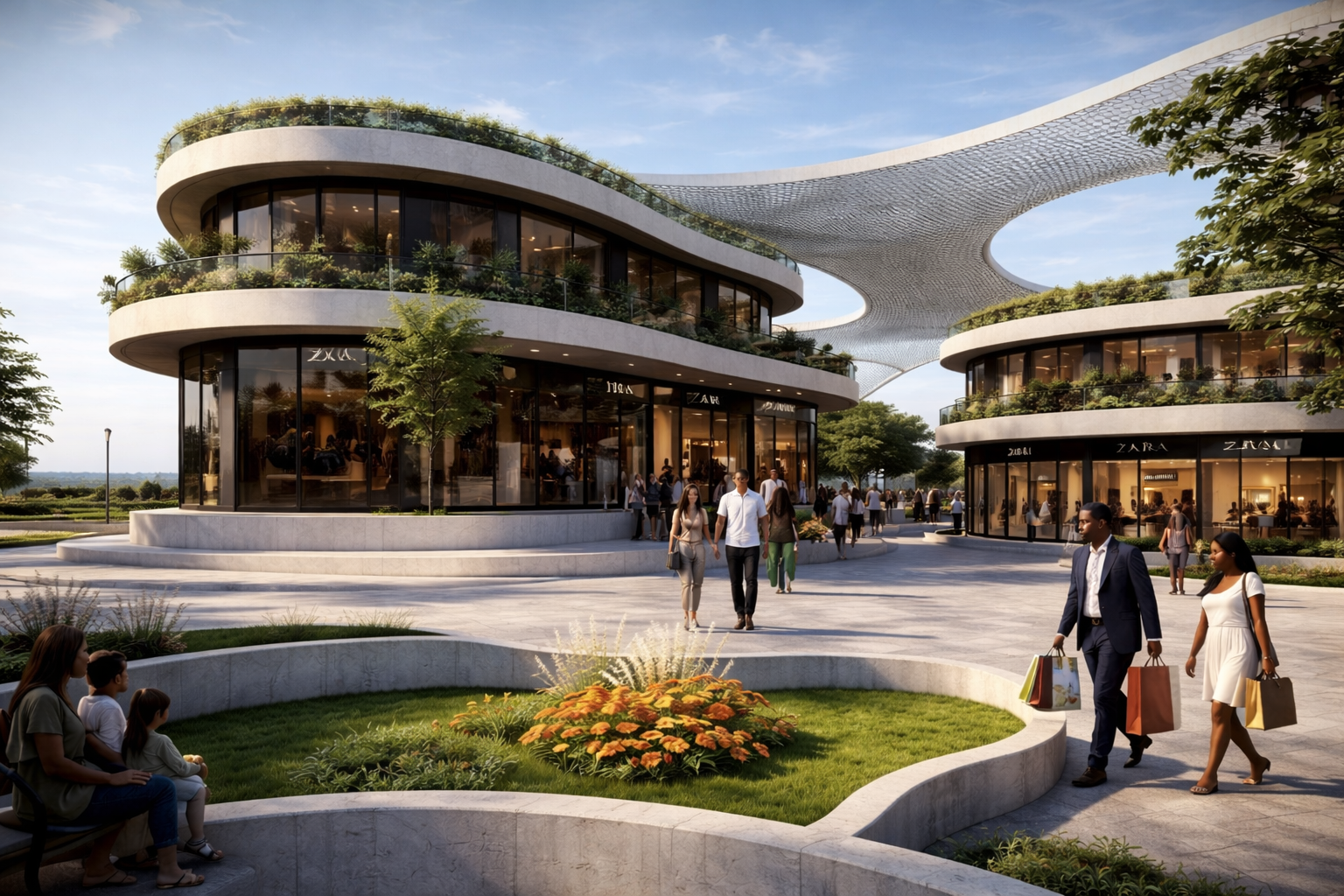
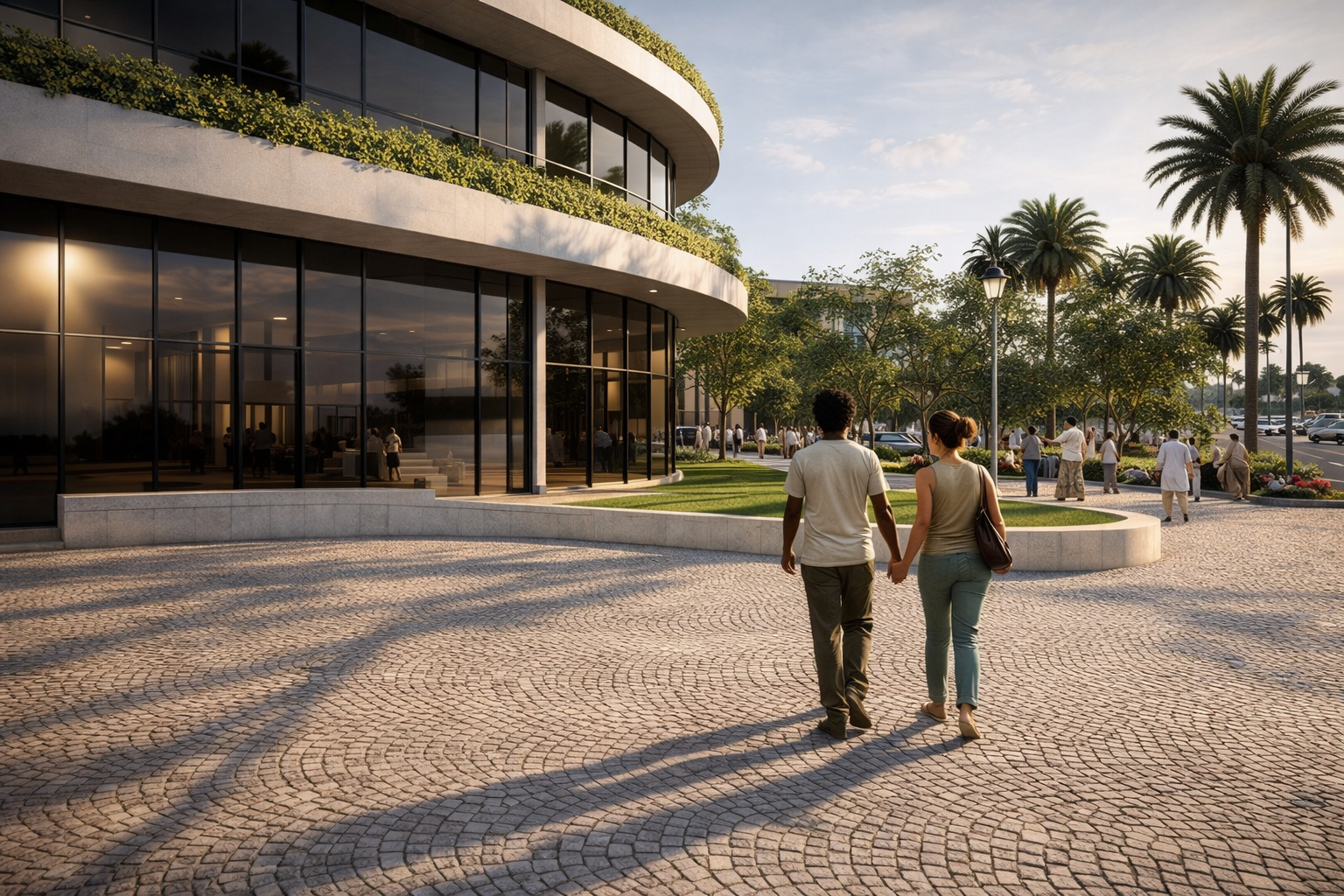
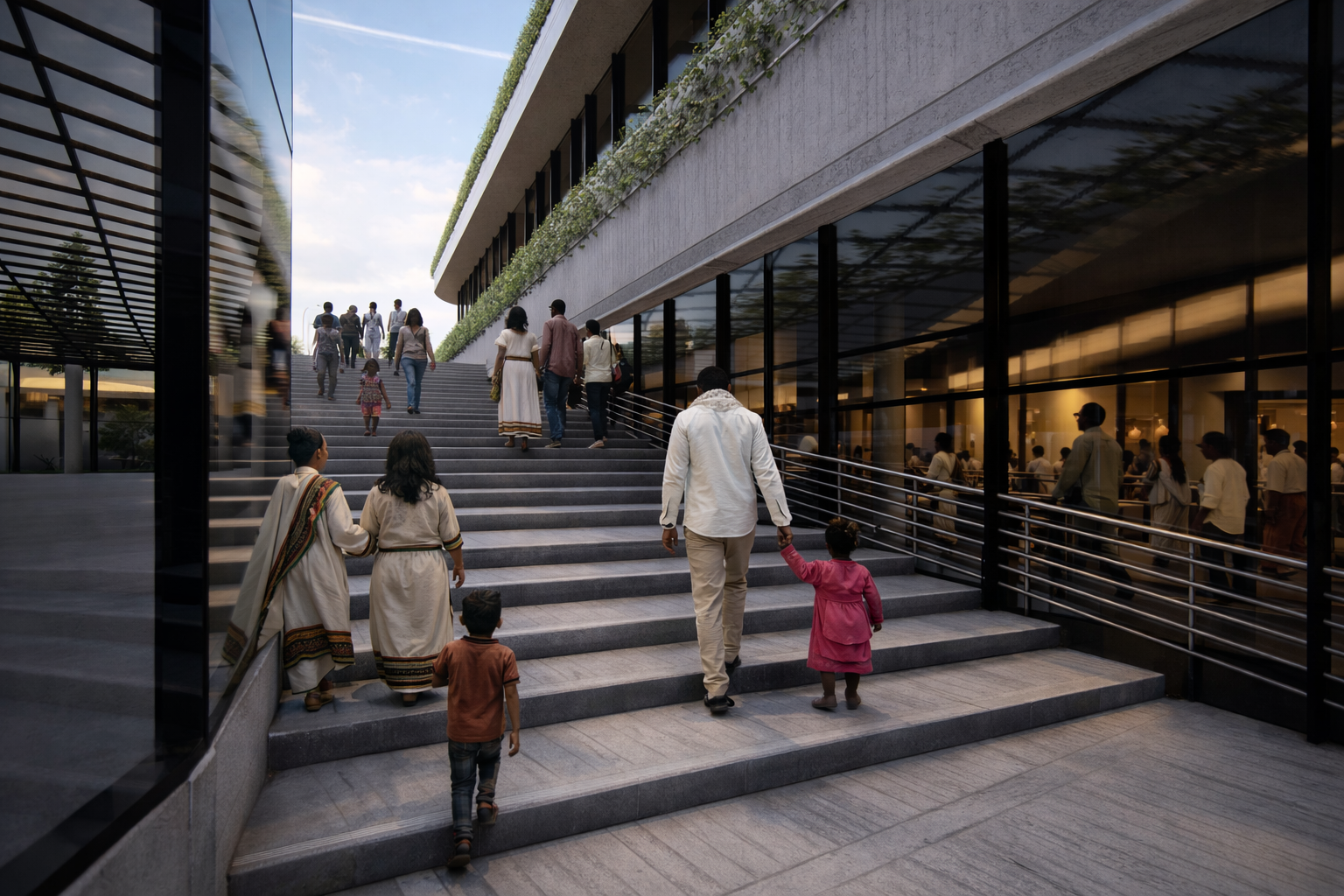
The design is guided by the principle of architecture as landscape. Low-rise, organically shaped buildings are embedded within the park fabric, characterized by green roofs, curved geometries, and transparent façades that blur the boundary between built form and nature. From above, the layout reads as a cohesive, sculpted landform, minimizing visual impact while maximizing ecological continuity.
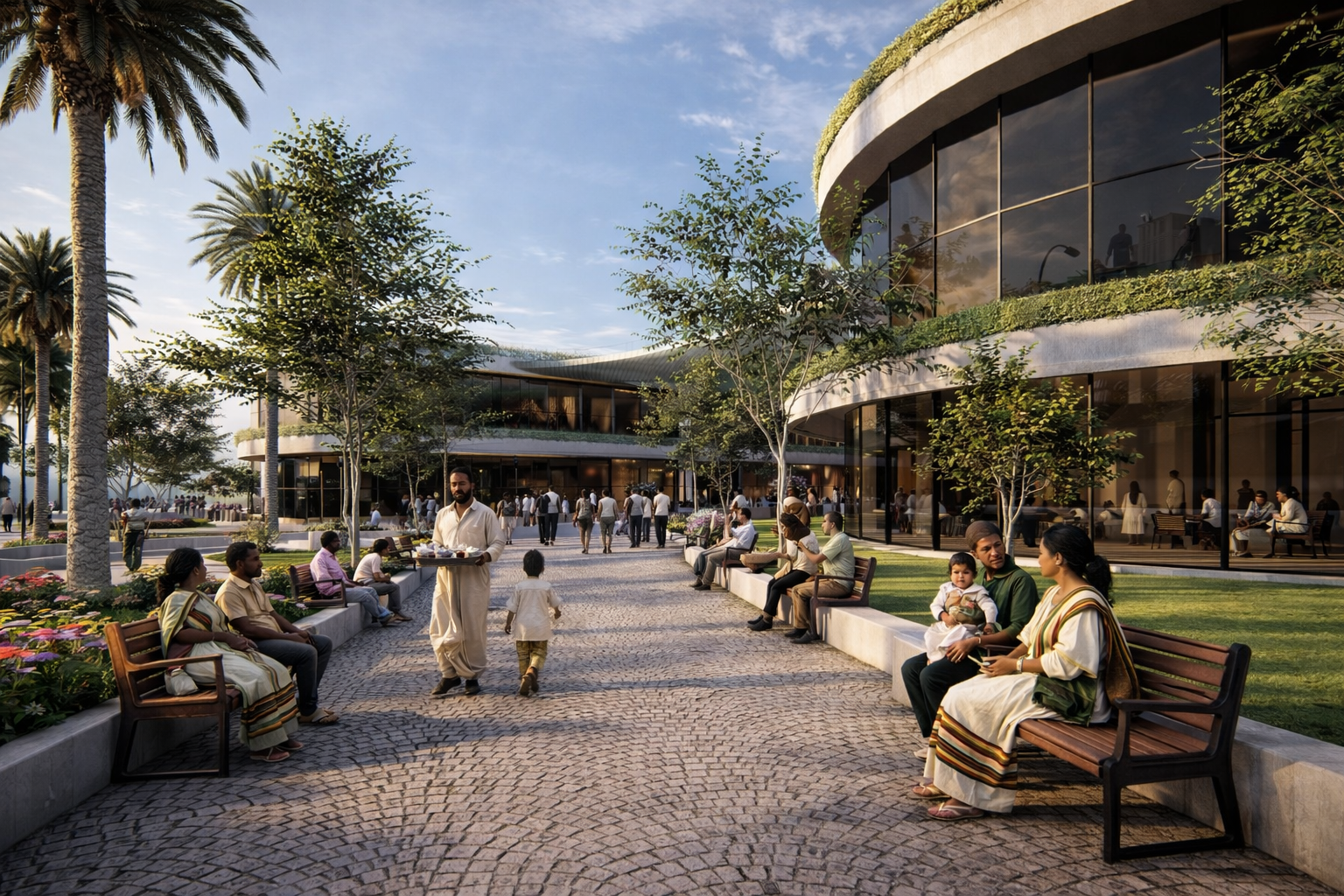
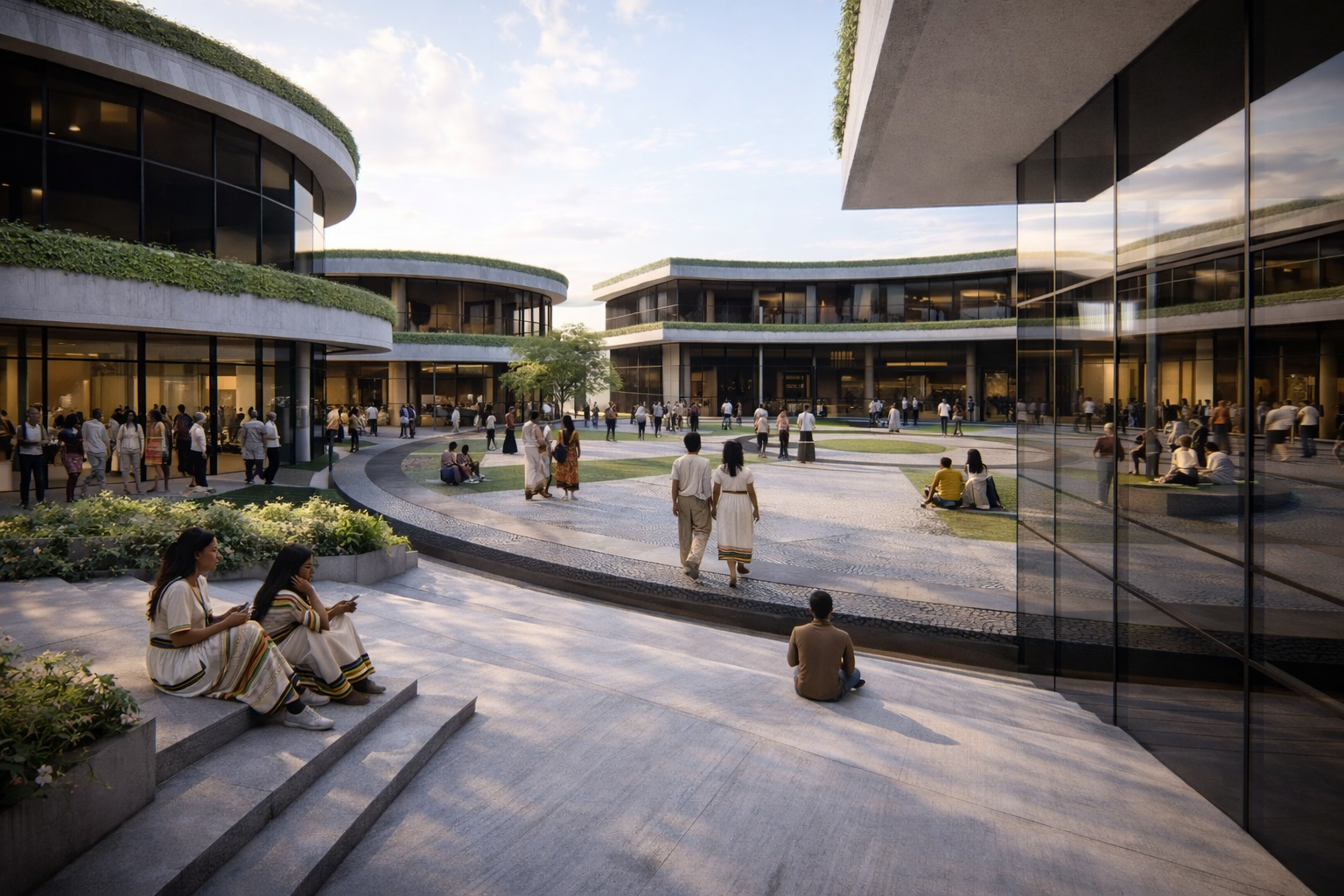
The corporate office components are arranged around landscaped courtyards and pedestrian spines, promoting walkability, daylight access, and visual connection to greenery. These spaces are designed to accommodate modern, flexible work environments while maintaining a calm, park-oriented atmosphere.
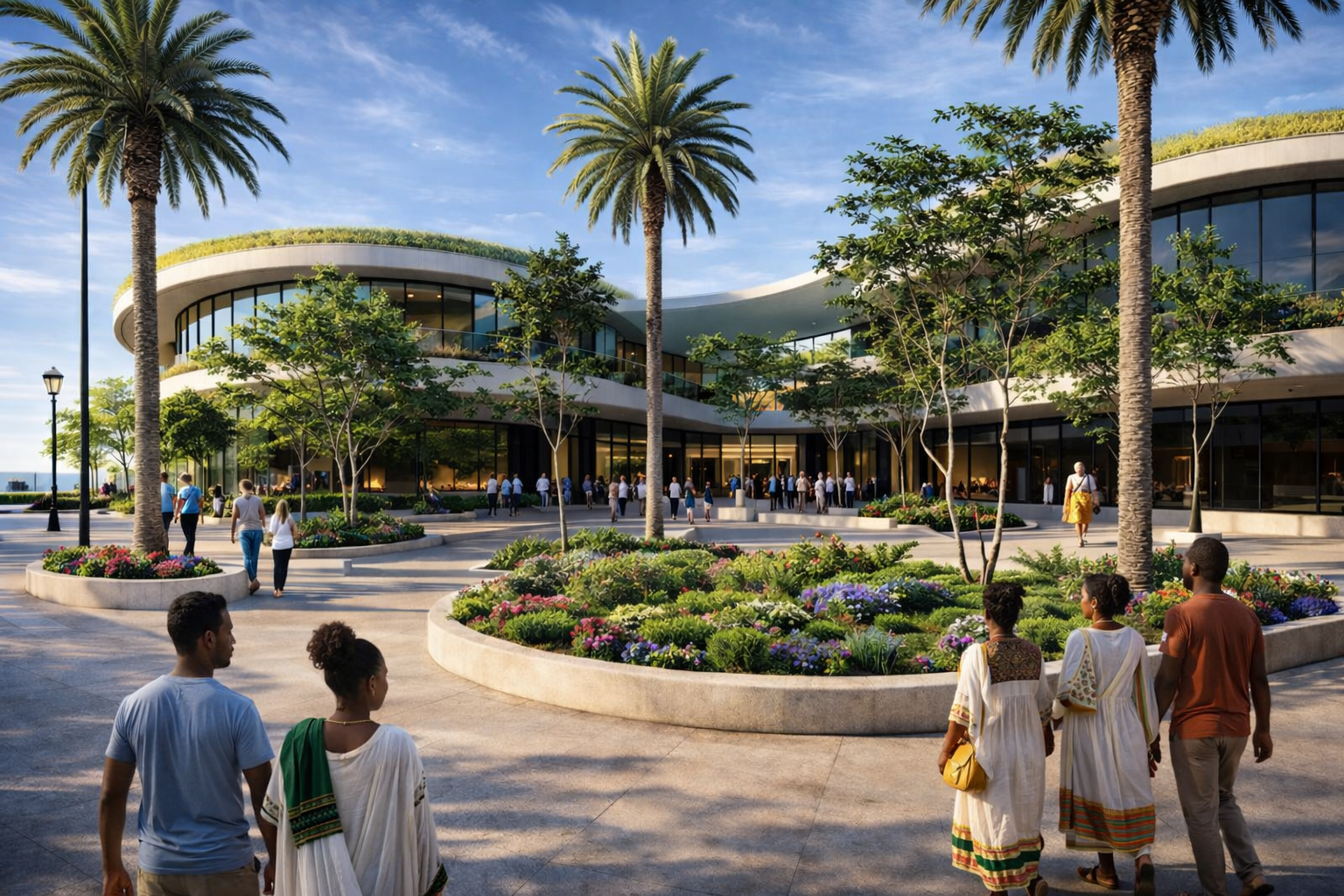
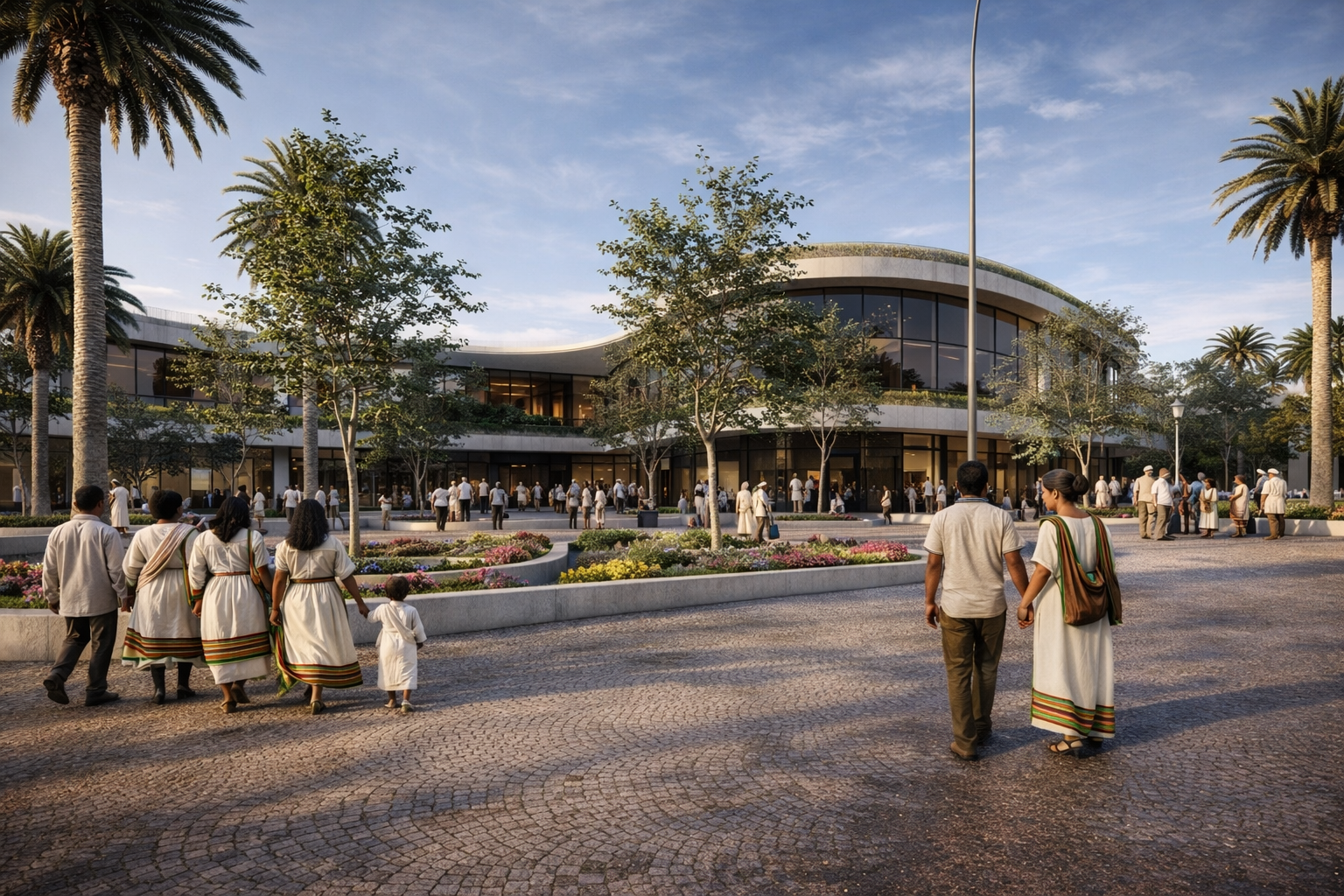
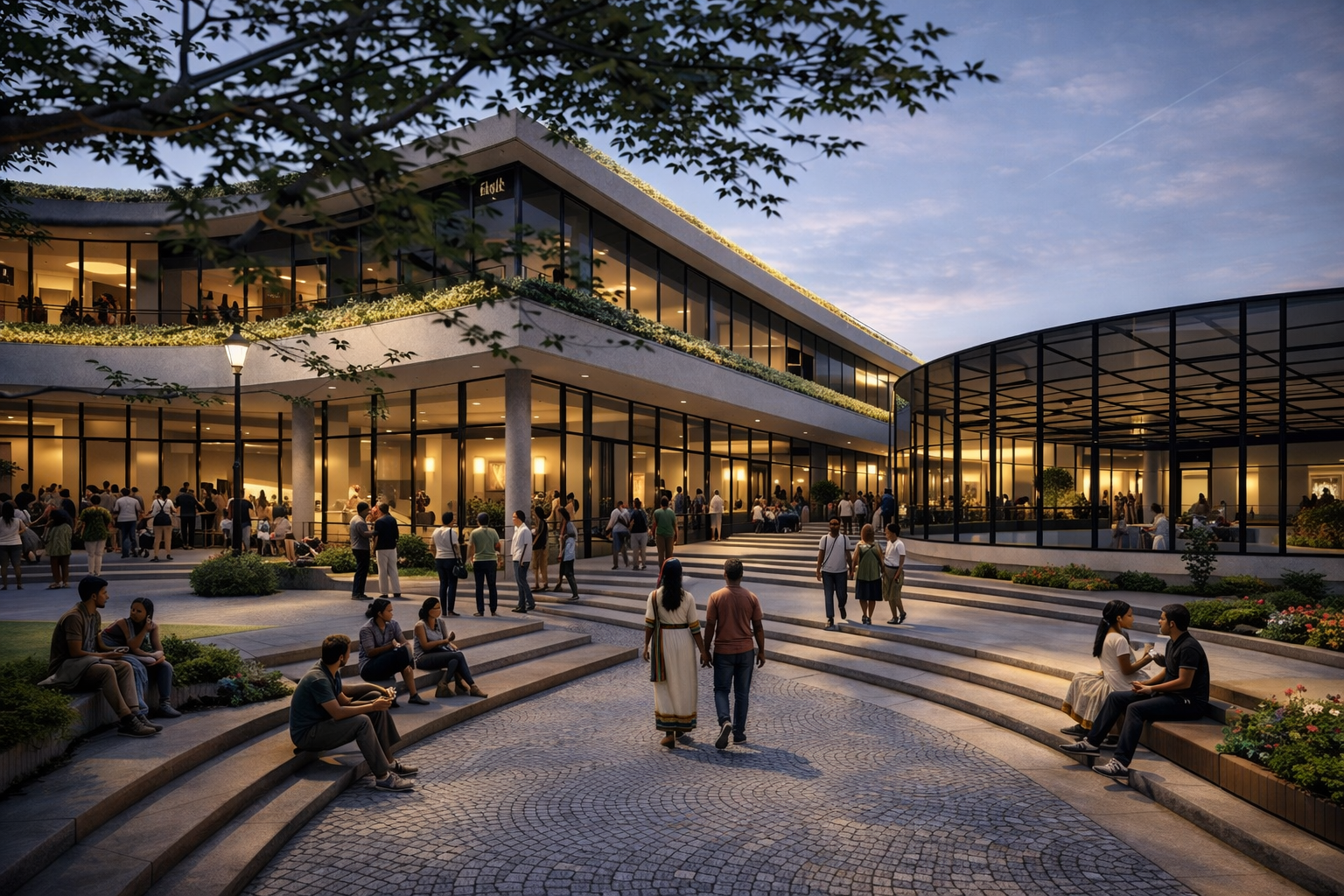
Complementing the office use, the expansion introduces recreational and wellness facilities including a gym, spa, wellness studios, cafés, and supporting amenities strategically positioned to serve both park users and office occupants. Central open plazas and shaded gathering areas act as social anchors, hosting informal events, cultural performances, and everyday community interaction.
Materiality and landscape design draw inspiration from local context, with native planting, water-sensitive landscaping, and climate-responsive shading enhancing comfort and sustainability. The project prioritizes passive design strategies, reduced building heights, and green infrastructure to ensure environmental responsibility and long-term resilience.
Overall, the Friendship Park expansion is conceived not as a standalone development, but as a supportive ecosystem one that generates economic sustainability, enriches public life, and reinforces the park’s role as a shared urban landmark for recreation, culture, and wellbeing.